
Red Light Therapy Simplified: How to Get the Most Benefits (and Avoid Getting Ripped Off)
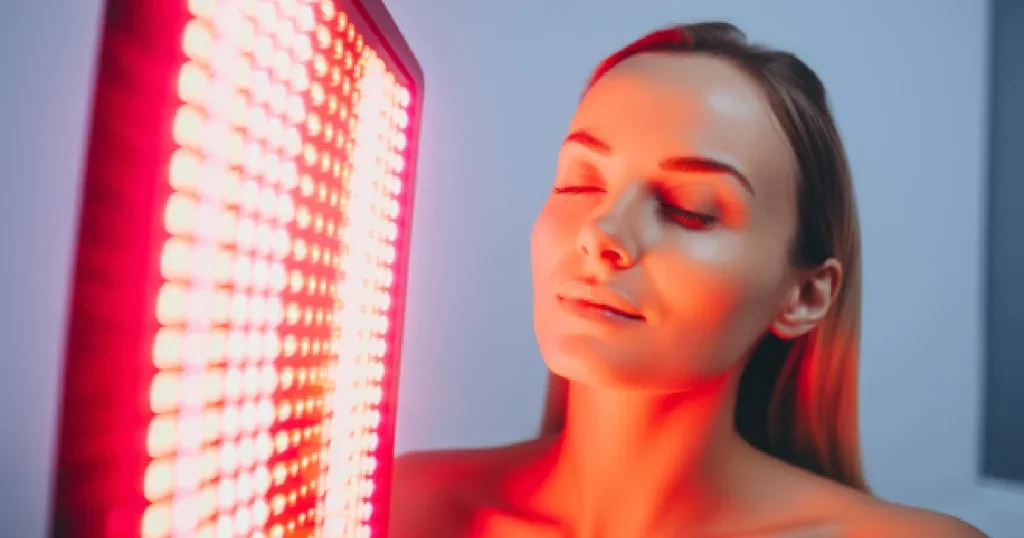
Red light therapy is everywhere right now. From Instagram influencers to high-end biohacking clinics, everyone seems to be basking in the glow. But if you’ve looked into buying a device for yourself, you probably hit a wall of confusion.
Between the technical jargon about wavelengths and the massive price range (why is one panel $50 and another $5,000?), it is easy to feel overwhelmed. Is it snake oil? Is it a miracle cure? Or is it something in between?
We are here to simplify it. Red light therapy is a powerful, science-backed tool for wellness and skin health, but not all devices are created equal. This guide will break down exactly how to shop for a red light device without getting ripped off and explain why adding professional-grade light therapy to your next acupuncture session might be the smartest wellness move you make this year.
So what is red light therapy, and how does it actually work?
At its core, red light therapy acts like a charging station for your cells. It uses specific wavelengths of light to stimulate your mitochondria—the "power plants" inside your cells.
Simply put, if there are mitochondria present in a cell, red light can help them produce energy more efficiently. This is crucial because when cells get tired or damaged, they can become "senescent" or what we call zombie cells. These cells stop working properly and can cause inflammation and aging in the surrounding tissue.
By supercharging your mitochondria, red light therapy helps support cellular repair and encourages your cells to function like their younger selves. If you want to dive deeper into how to fight these aging cells, check out our post on Quercetin: Your Secret Weapon Against Zombie Cells.
What’s the difference between red light and near-infrared light?
You will often see devices that offer both. The difference is simply how deep the light travels.
Red Light (Visible): This is what you can see. It is fantastic for surface-level issues. Think skin health, collagen production, and wound healing.
Near-Infrared Light (Invisible): You can't see this spectrum, but it penetrates much deeper into the body. This is the wavelength that targets muscles, joints, and even bones to lower inflammation and reduce pain.
How do I know if a red light device is good? (And not just expensive junk?)
This is where people often get ripped off. A higher price tag does not always equal a better device. Here is the cheat sheet on what matters:
The Wavelengths
Most brands—even the cheap ones found on massive online marketplaces—actually get the wavelengths right. You generally want red light around 630-660nm and near-infrared around 810-850nm.
The Hidden Dangers: Flicker and EMFs
This is the dealbreaker. Many popular commercial devices are high in flicker (a rapid flashing you can't see but your brain registers) and high in Electromagnetic Fields (EMFs).
Flicker: High flicker can stress your nervous system. We discuss the importance of healthy light and circadian rhythms in our post on The Hidden Dangers of Blue Light.
EMFs: If a device is plugged into a wall while you use it, it will generate some EMFs. However, superior brands engineer their units to keep this very low. If a manufacturer doesn't explicitly state their device is "Low EMF" or "Low Flicker," it probably isn't.
You can learn more about why protecting yourself from EMFs is important in our blog post on Understanding EMFs and How to Protect Yourself.
Note: If you already own a device that might have higher EMFs, don't panic. The benefits of the red light wavelengths likely still outweigh the negatives, so keep using it. But for your next purchase, aim for a cleaner device.
What are the different types of red light devices?
There’s a wide range of red light devices on the market, and no single style works for everyone. Here are our top recommendations for each type, along with what makes them stand out:
Handheld Devices:
Handhelds are perfect for targeting small, specific areas—like a sore knee, joint, or patch of skin—offering control and portability for spot treatments.
Our favorite is the EMR TEK Firefly, a professional-quality handheld with COB technology for ultra-low flicker and low EMFs. This device is sturdy and reliable, making it a trusted choice.
Wearable Devices:
Our favorite wearables include belts and face masks designed to be worn for targeted pain relief or skin benefits while you move around or relax. Both types allow for hands-free, comfortable sessions that easily fit into your daily routine.
For belts, we recommend the Hooga Red Light Therapy Belt for portability. For masks, the EMR TEK Eterno Mask is a great option with a design that avoids direct contact with the face.
Panels:
These stationary panels are designed to treat large areas of the body at once, making them ideal for people who want more comprehensive coverage in each session. Panels can be placed on a table, stand, or mounted on a wall for convenience.
We recommend the Hooga HGPRO300 for its affordability and solid performance—an excellent entry point if you want to cover more surface area at once.
Flexible and Contouring Devices:
These flexible panels curve to fit your body, making them ideal for targeting joints, the face, or any area that needs a custom fit.
Our favorite is Celluma Light Therapy, which you can add to your treatments at Magnolia Wellness for just $50. We love Celluma’s ability to target hard-to-reach areas and provide professional-level results, making it a standout choice as an add-on to professional services and at home.
Incandescent Bulb Devices:
These use heat bulbs to create a warm, natural light that feels similar to a cozy campfire, and they are completely flicker-free. This option is great if you prefer light that mimics the sun and want a soothing, relaxing treatment environment.
We recommend the SaunaSpace Glow Light for its warm, natural glow and flicker-free experience.
Each style offers unique benefits, so choose the one that best matches your lifestyle and treatment goals.
How do I use red light therapy at home?
Setting yourself up for success is key. Create an environment that makes it easy and convenient to use your device—whether that’s keeping it in a spot you’ll see daily or integrating it into your existing routine.
The most important thing is to make time for it in a way that works for you. Remember, consistency matters more than perfection. It’s better to use it imperfectly than to stress about getting everything exactly right.
Distance: Generally, keep the device 6 to 15 inches away from the spot you are treating.
Time: More is not better. You don't want to over-treat an area. If you do, nothing bad happens—you just might not see results as fast because the cells get overwhelmed. Stick to 10-20 minutes.
Eyes: You generally don't need heavy-duty goggles, but you also shouldn't stare directly into the LEDs. Just close your eyes and enjoy.
Timing: Morning sessions are ideal because red light helps signal "daytime" to your body and can boost energy and alertness. Early evening can also be beneficial, especially if you’re using red light for relaxation, recovery, or to wind down after a long day. Consistency is key, so choose a time that fits your schedule and supports your goals.
What Results Can You Expect from Red Light Therapy?
Red light therapy offers a wide range of benefits backed by scientific research. At its core, red and near-infrared light energize your cells’ mitochondria—the powerhouse of each cell—leading to stronger cellular repair and regeneration. This process results in impressive real-world benefits for skin, healing, pain, inflammation, and your overall sense of well-being.
Red light (visible wavelengths) is best for surface issues, making it excellent for skin health, texture, and radiance. Near-infrared light penetrates deeper, so it’s effective for muscles, joints, and tissue recovery.
Clinically observed benefits of Red Light Therapy include:
Reducing inflammation, swelling, and redness
Improving blood flow and circulation
Boosting collagen and elastin for firmer, younger-looking skin
Supporting wound and scar healing
Minimizing fine lines, wrinkles, and age spots
Smoothing skin tone and fading pigment irregularities
Speeding healing of acne and other skin conditions (like eczema, psoriasis, and rosacea)
Easing muscle and joint pain and promoting recovery after injury
Supporting hair regrowth in certain types of hair loss
Encouraging tissue repair at the cellular level
Potential cognitive and mood-enhancing effects
Promoting a balanced oral microbiome, which may support gum health and even help whiten teeth
Supporting gut health by reducing inflammation and promoting a healthier gut microbiome
Whether you want brighter, healthier skin or relief from muscle or joint discomfort, red light therapy provides science-backed solutions with virtually no side effects and no downtime.
Consistency is key. You’ll see improvements build over time with regular sessions.
How Red Light Therapy Supports Fertility
Red light therapy has become increasingly popular as a supportive tool for fertility. It works by improving blood flow to the reproductive organs and delivering energy directly to the mitochondria—the tiny power plants inside your cells. The ovaries, in particular, are packed with mitochondria, and healthy mitochondrial function is crucial for egg quality and development.
By helping cells create more energy, red light therapy can enhance ovarian health, support follicle growth, and encourage a more receptive uterine environment. Research and clinical experience have linked red light therapy to improved fertility outcomes, including helping many people conceive who were previously struggling.
At Magnolia Wellness, you can add Celluma red light therapy to your fertility acupuncture sessions to target these benefits and support your conception journey.
Book your Acupuncture & Celluma Red Light Therapy online here.
Why add Celluma Light Therapy to your session at Magnolia Wellness?
Adding Celluma Light Therapy to your appointment is an easy way to boost your results, whether you’re coming in for acupuncture, cosmetic acupuncture, or microneedling.
We love pairing Celluma with acupuncture because of the synergy. While acupuncture opens up energy channels and increases circulation, the red light provides the cellular energy needed to repair tissue and calm the nervous system, promoting a deep sense of relaxation.
For skin treatments, this combo can help you see brighter, firmer, more even-toned skin—often rivaling results from more invasive procedures.
If muscle tension or joint pain is your focus, red and near-infrared light can help speed up recovery and calm inflammation, so you feel better faster.
And if you’re working on fertility, the additional boost to mitochondrial function and blood flow can nurture your reproductive health.
Best of all, you don’t have to invest in a device or add anything complicated to your routine—just opt for the Celluma add-on ($50) at your next Magnolia Wellness session and experience the difference for yourself.
You can book your appointment online here.
Experience Red Light Therapy at Magnolia Wellness
Discover how noticeably better you can feel and look by upgrading your next treatment. Whether you're booking a regular acupuncture session or revitalizing your complexion with cosmetic acupuncture or microneedling, adding Celluma Light Therapy for just $50 can make all the difference.
Ready to see real results? Be sure to select the Celluma add-on when you book!
Book Your Appointment at Magnolia Wellness
Recommended Reading
These posts were mentioned in this blog and are relevant to the topics discussed:
Microneedling vs. Cosmetic Acupuncture: Which is Right for You?
Cosmetic Acupuncture: What Is It and Can It Compete with Botox?
Beyond the Smile: How Your Oral Microbiome Shapes Your Total Health
Acupuncture for Fertility: Preconception, Pregnancy, and Beyond
Quercetin: Your Secret Weapon Against Zombie Cells and Aging
The Hidden Dangers of Blue Light and How to Protect Yourself
Stay Connected!
Don’t miss out on the latest wellness tips and exclusive offers. Join our Magnolia Wellness community—sign up for our newsletter and get weekly updates delivered right to your inbox!